How to Choose an App Development Company in China

6 min read
Quick answer
Choose an app development company in China by comparing relevant delivery evidence, first-release scope, English collaboration, code and account ownership, testing, and post-launch support.
Give each team the same brief. Ask who will deliver the app, backend, integrations, and release work, and record assumptions and exclusions before comparing prices.
- Request a walkthrough of a relevant workflow and a failure state.
- Agree acceptance examples, account control, and maintenance responsibilities.
Choosing an app development company in China becomes easier when every team responds to the same product brief.
A portfolio, hourly rate or impressive prototype cannot tell you who owns the backend, how failed payments are handled, or what happens after the first release.
Yander is a Guangzhou team offering mobile app development with English and Chinese collaboration. Use the questions below to compare us with other providers.
The aim is to find a team that can explain and deliver your product, whether you are building an AI app, a hardware companion or a marketplace for an overseas audience.
Describe the product and the first release
Start with one user, one valuable outcome and the journey required to reach it.
An AI image app needs a creation and refinement loop; a wearable companion needs reliable preparation and understandable readings; a rental marketplace needs both parties to complete the transaction.
These create different engineering and operational work.
Write down the launch markets, languages, iOS and Android requirements, current designs, existing code and third-party systems. Identify what the team will receive and what it must create.
Include admin operations, not only customer-facing screens, so proposals cover the people who will run the service.
- Name the first customer group and the action that makes the release useful.
- Mark features as required, optional or deferred, with a reason for each.
- List decision owners, available content, hardware samples and integration contacts.
Read cases for relevant decisions and delivery roles
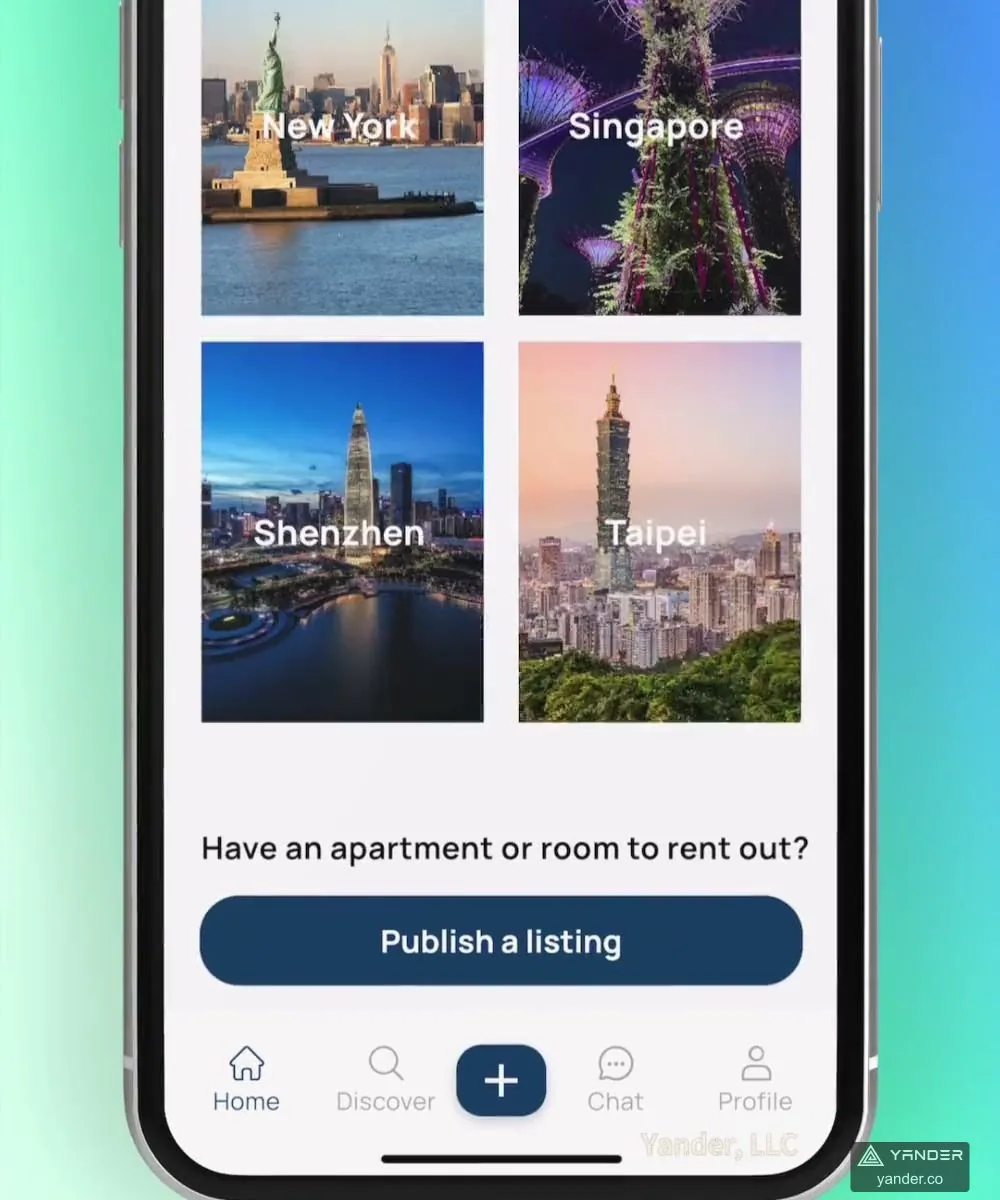
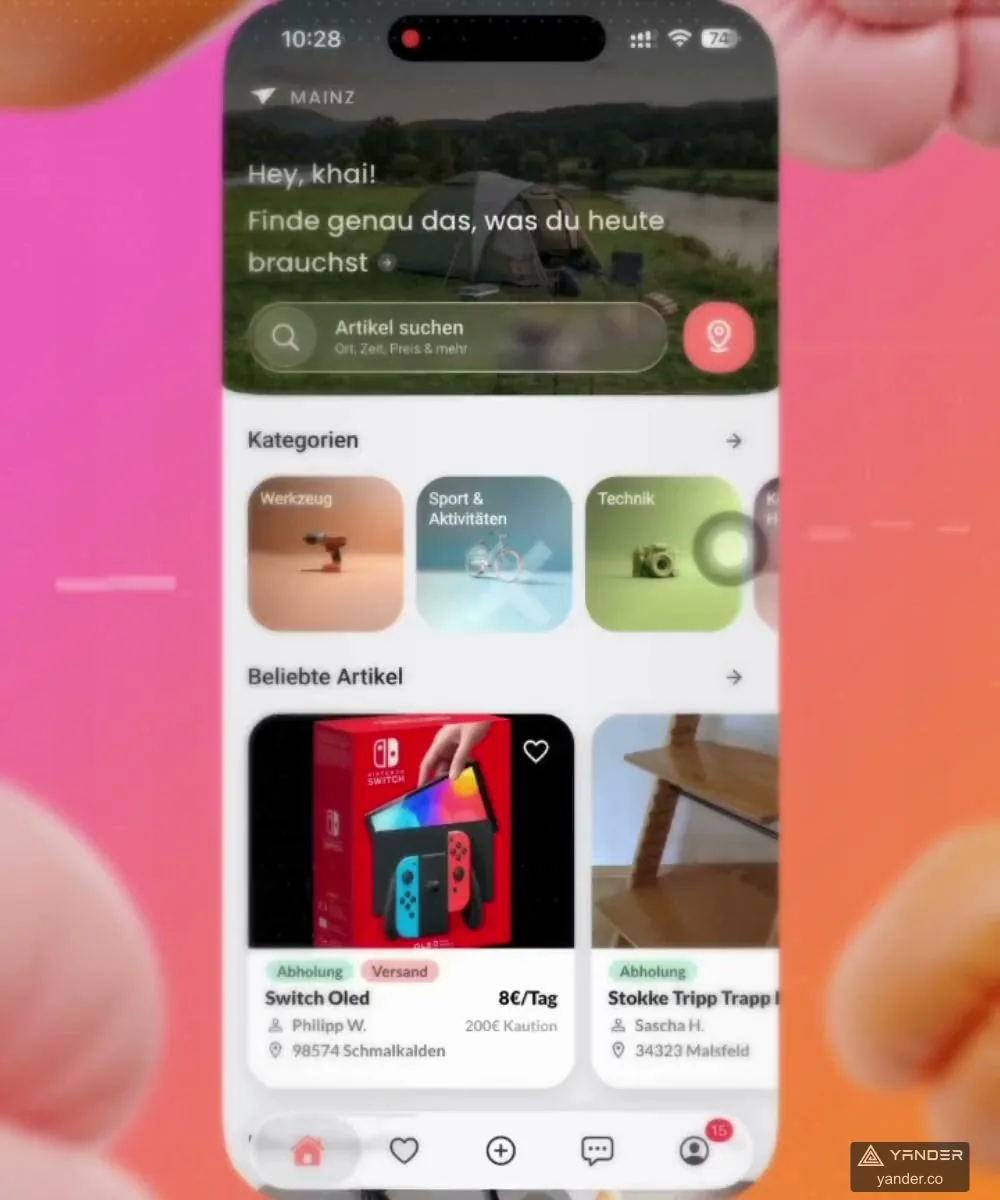
Look for a project with comparable constraints. Mietzy documents rental requests, messaging, identity checks, orders and marketplace payouts for Germany. Livingo connects housing search, roommate matching, community and applications.
Ask which parts matter to your brief rather than treating either as a ready-made clone.
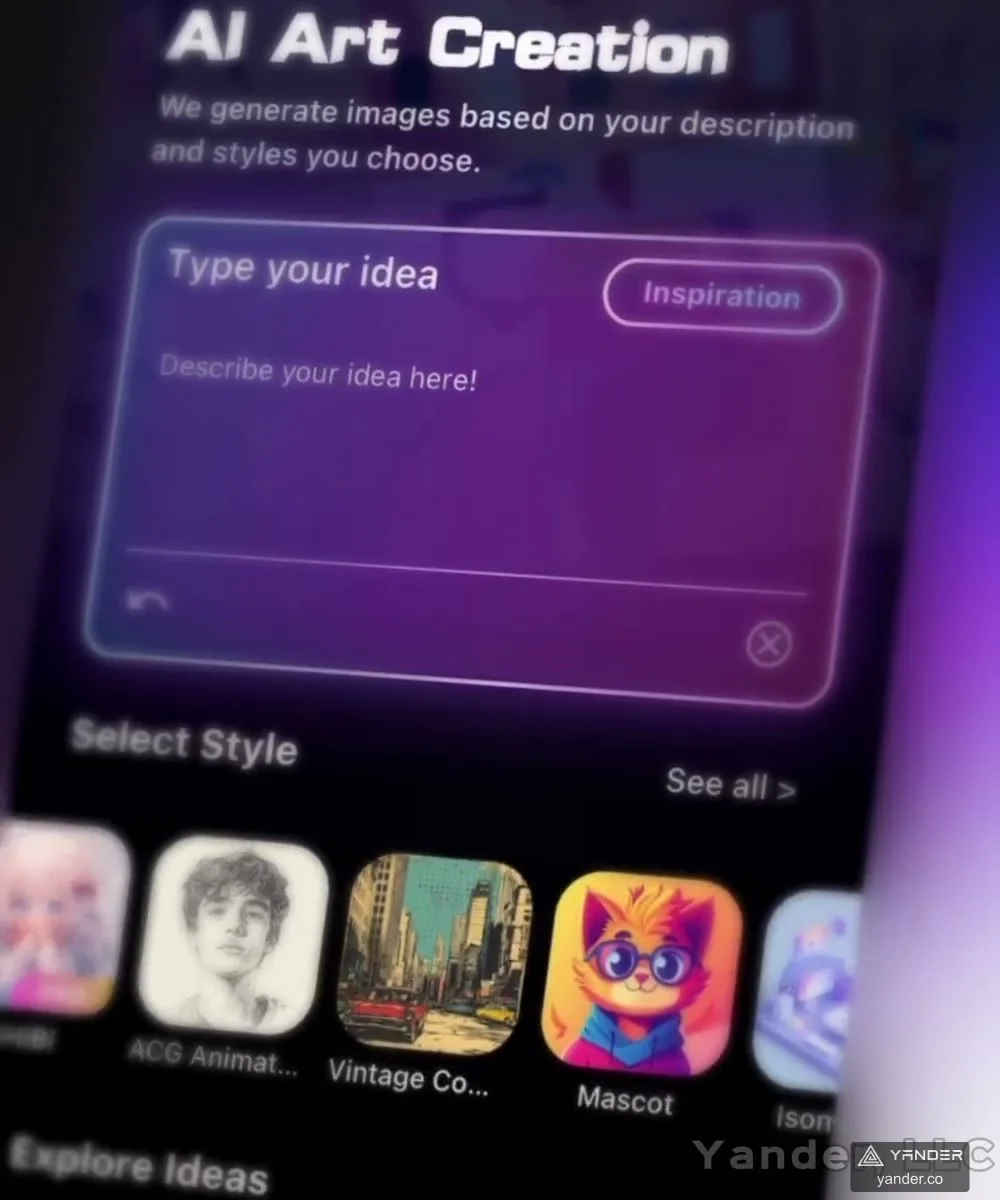
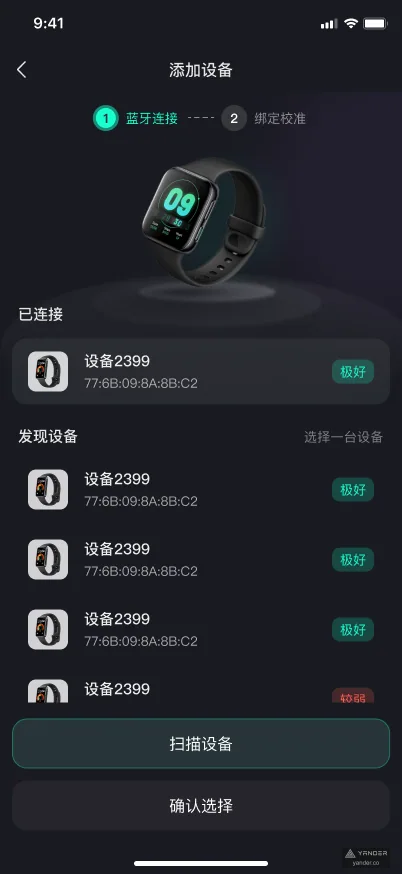
For an AI product, review the input, result, correction and paid-access flows in ImageAI. For hardware, the IMU Motion Health case shows connection, calibration, monitoring and report design.
That interface evidence does not by itself establish which radio protocol, firmware or certification was delivered.
Ask every supplier to state its own contribution: strategy, design, mobile implementation, backend, integrations or support. Request a walkthrough of an awkward state, such as a cancelled order or interrupted device session.
Specific answers are more useful than a long client-logo list.
Check English collaboration through a real decision
Have the people responsible for delivery explain one requirement and one tradeoff in English. A useful discussion might compare launching one platform first with maintaining two, or a narrow AI workflow with a general assistant.
Check that both teams reach the same understanding and record the decision.
Agree working-hour overlap, review meetings and response expectations without assuming either side is always available. Keep approvals and open questions in a shared project record.
A Guangzhou meeting during a China visit can help, but remote colleagues still need access to the brief, decisions and acceptance criteria.
Identify who can approve scope and who can answer technical questions. Record how changes are estimated and approved before implementation. This prevents informal chat messages from becoming conflicting requirements or unplanned work.
Compare scope, ownership and account control
Compare proposals by deliverable rather than total price alone. Separate discovery, UX/UI, mobile apps, backend, admin, integrations, testing, release assistance and handover.
Ask whether content entry, migration, translations and external service setup are included. Clarify what a prototype proves and what remains for production.
Agree ownership of custom code and designs in the contract, alongside third-party licences and any reusable components. Decide whose organisation owns the repository, cloud services, app-store accounts and API-provider accounts.
Give suppliers the access they need through a documented arrangement, with a handover and access-removal process.
For the variables behind a proposal, use the app development cost checklist. It helps compare the same scope without assuming one country or technology produces a standard price.
| Compare | Ask to inspect |
|---|---|
| Relevant work | A comparable workflow, the team’s contribution, and an awkward or failed state |
| Communication | A requirement and tradeoff explained by the people delivering the work |
| Scope | Deliverables, assumptions, exclusions, dependencies, and acceptance examples |
| Ownership | Custom-code terms and control of repositories, cloud, and store accounts |
| Support | Defect correction, maintenance, issue reporting, and handover responsibilities |
Make acceptance and support observable
Write tests in customer language. A user can recover an account, complete an order, resume a pending AI request or understand why a device is disconnected.
Define the supported phones, operating systems, network conditions and accessibility requirements. Include admin permissions and support tools where the operating team needs them.
Agree release responsibilities and the evidence required before submission. Apple’s App Review Guidelines provide an official starting point for an iOS release; review requirements must be checked for the actual product and market.
Store approval cannot be treated as a guaranteed delivery date.
Separate correction of agreed defects from new features and ongoing maintenance. Specify how issues are reported, prioritised and deployed, who holds backups, and who responds to third-party outages.
Ask for enough technical and operating documentation that another authorised team can understand the product.
Use a small, testable brief to start the conversation
Send the same short brief to your shortlist: audience, core workflow, platforms, markets, assets, integrations, constraints and acceptance examples. Ask each team to return assumptions, exclusions, open questions and a staged scope.
You can then compare how clearly it handles uncertainty before committing to the full build.
AI founders can prepare the AI app MVP scope and operating-cost worksheet. Hardware teams can use the IoT companion app requirements checklist. Both make the specialist dependencies visible before they become delivery surprises.
Put this into practice
Explore the related work and delivery scope.
- Mobile app development in Guangzhou
Discuss iOS, Android, backend and operating workflows.
- Mietzy rental marketplace
Review orders, identity checks, payments and operating scope.
- IMU Motion Health
Explore connection, calibration and motion-report interface design.
- App development cost in China
Prepare a scope that makes proposals comparable.
- AI app MVP scope and costs
Plan one useful AI workflow and its running costs.
- IoT companion app checklist
Identify hardware, protocol and testing dependencies.
Sources and scope
- Mietzy rental marketplace
Published discovery, rental, identity, messaging, and payment workflows. No measured conversion improvement is claimed.
- IMU Motion Health app
Published connection, calibration, monitoring, and report interfaces. These screens do not prove a radio protocol, firmware scope, or certification.
- Apple App Review Guidelines
Official review requirements; checked 10 November 2026. Confirm the rules for the actual product and release market.
Compare your app brief with us
Share your target users, launch countries, platforms and the workflow your first release needs to complete.
Send an app brief