App Development Cost in China: What Your Quote Should Include

6 min read
Quick answer
App development cost in China depends on the workflows, platforms, backend, integrations, testing, and handover in the agreed scope. Screen count or supplier location alone cannot establish a comparable price.
Separate the initial build from model or cloud usage, store accounts, third-party services, and ongoing support. This guide provides a quote checklist, not a market price range.
- Describe one complete customer journey and the admin work behind it.
- Compare proposals against the same assumptions, exclusions, and acceptance criteria.
There is no useful single price for app development in China without a product scope.
Two apps with the same number of screens can require very different work: a browse-only catalogue, a rental marketplace and a camera-connected AI product do not share the same transaction rules, dependencies or testing needs.
For overseas buyers comparing mobile app development services, the practical question is what the estimate covers and what remains your responsibility.
Build the budget around a working customer journey, then separate the initial delivery from usage-based services, release work and ongoing support.
Estimate workflows and operating surfaces
Describe the actions your first release must support, including what happens when they fail. Registration might involve invitations, password recovery, account deletion or multiple organisations.
An order may involve approval, payment, cancellation, refund and support. Counting screens misses these rules and the systems that keep them consistent.
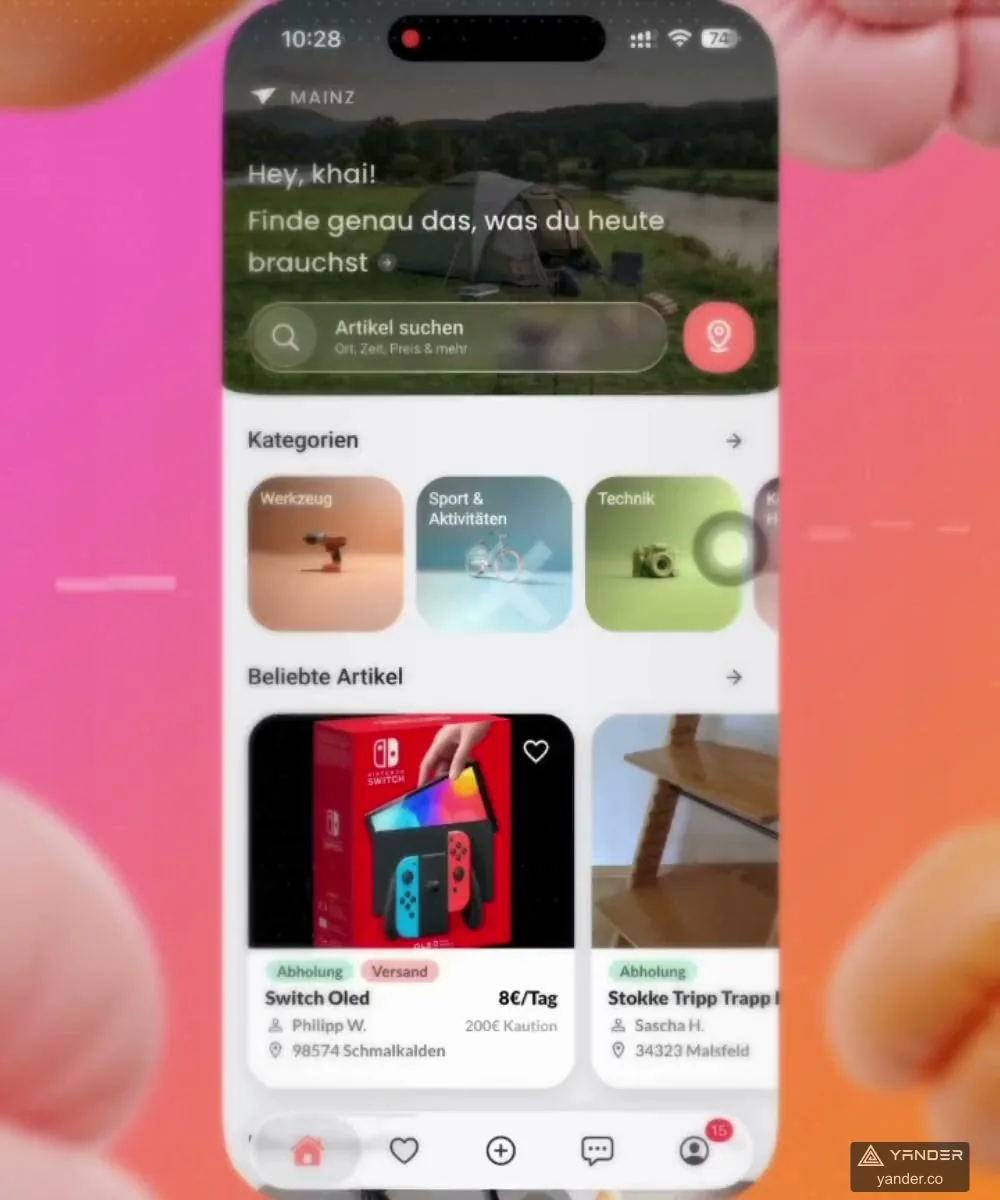
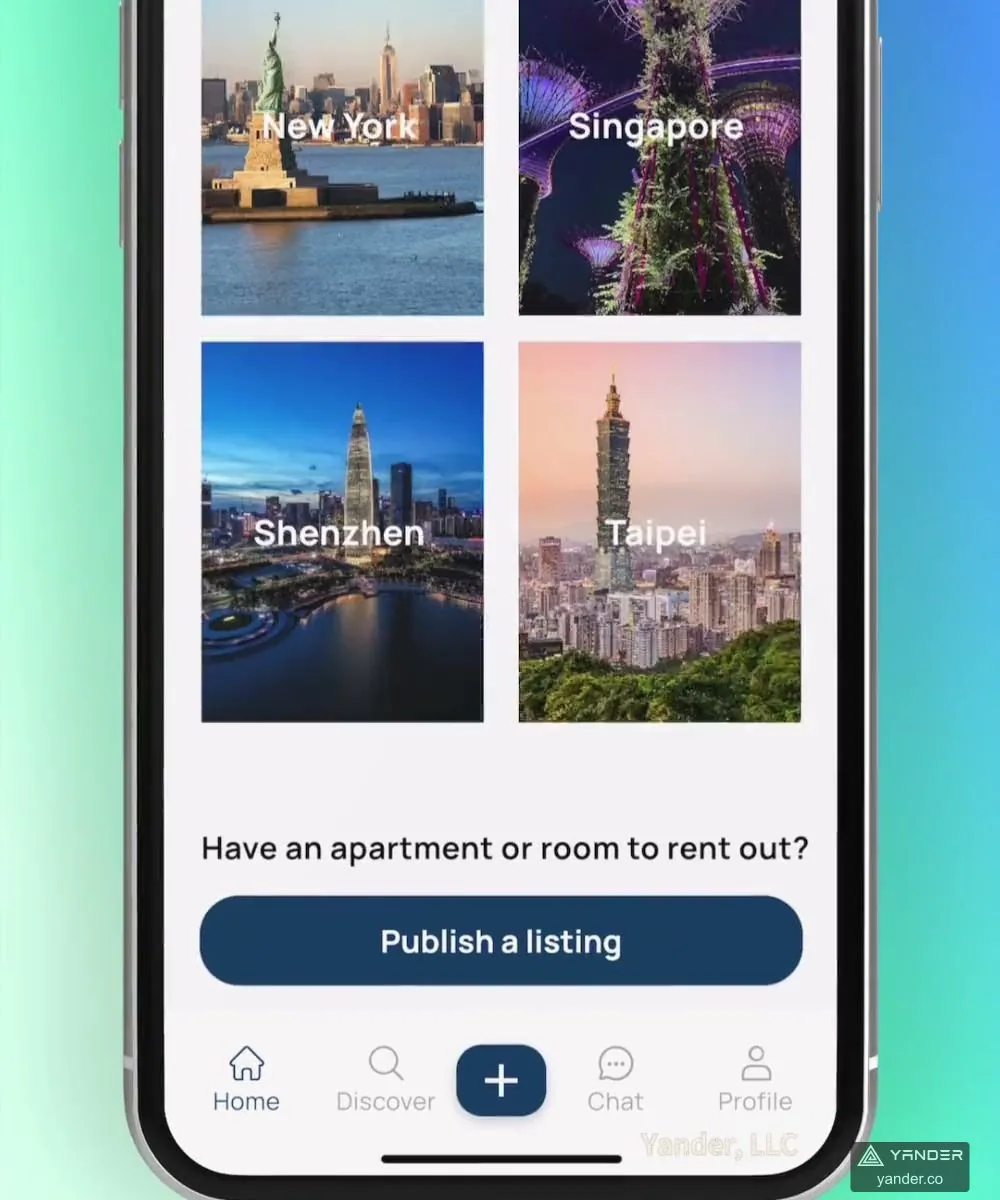
The Mietzy rental marketplace case illustrates why requests, availability, chat, identity verification and payouts belong in one estimate. Livingo adds housing discovery, roommate preferences, community and application progress.
Each is evidence of a particular scope, not a universal marketplace package.
| Budget line | Scope to describe | Evidence to agree |
|---|---|---|
| Mobile experience | User roles, platform coverage, workflows and failure states | A named journey and its normal, cancelled, and failed states |
| Backend and admin | Data, permissions, support actions and operating reports | Data and role map, with the admin actions included in the quote |
| External services | Payments, identity, maps, messaging, AI or hardware dependencies | Provider or hardware documents and an integration owner |
| Release and handover | Testing, submission tasks, accounts and documentation | Agreed device matrix, account owner, and handover list |
Separate design, platforms and reuse assumptions
An estimate should say whether it begins with research, existing wireframes, an approved design system or a working app.
Clarify whether the team is creating interaction flows, visual design, illustrations, written content and an admin interface. Design changes after implementation may also change the amount of engineering and retesting.
Ask why the proposed implementation suits your product. A cross-platform approach may share substantial application code, but it does not remove platform-specific integrations or the need to test iOS and Android.
Hardware access, background behaviour, camera workflows and purchases need to be assessed for the intended devices.
List languages and markets separately from platforms. Translation entry, date and currency handling, notification content, legal copy and support processes can all require work.
Decide which languages launch first and who supplies and approves the text.
Describe integration and data responsibilities
Identify each external system and the person who can provide documentation, test access and answers. Ask whether the estimate includes configuration, server-side implementation, error handling, reconciliation and support tooling.
A payment button is only one part of a payment workflow; the surrounding order rules need their own scope.
For existing products, inventory the data to migrate and the old behaviour to preserve. User accounts, media, subscriptions and order history need different handling.
Agree how the team will check completeness, manage a cutover and address records that cannot be transferred automatically.
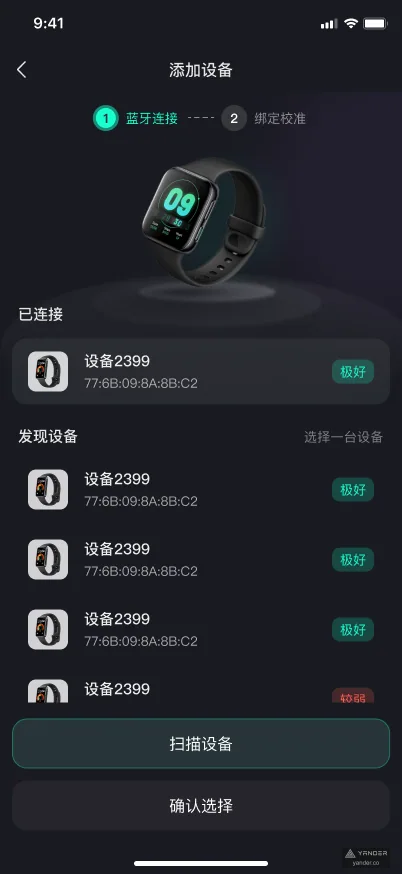
For hardware, include sample units, SDK or protocol documentation, firmware versions and a technical contact. If these are unavailable, record a discovery task rather than treating the integration as settled.
Changes to firmware or a supplier SDK can affect both implementation and acceptance testing.
Budget for testing and release preparation
Define a test matrix that reflects your customers: supported phones, operating systems, screen sizes, network conditions and critical user roles.
Include authentication, permission denial, interrupted uploads, payment outcomes and backend failures where applicable. The estimate should identify which devices and environments the team will actually use.
Agree who prepares store listings, screenshots, privacy disclosures, review access and production configuration. Record who owns developer accounts and who can submit releases.
Store requirements and third-party onboarding can change, so dependencies should be tracked rather than hidden inside an unconditional launch promise.
Acceptance should include the admin team as well as end users. Check that support can find an affected order or AI task, understand its status and take the permitted action.
Define the correction period, release process and evidence required to close a defect.
Model running costs separately from the build
List the services that create recurring bills: hosting, databases, storage, media delivery, email or SMS, maps, identity checks, monitoring, model APIs and support.
Some scale with active users; others follow transactions, stored data or completed operations. Confirm the billing unit and account owner for each chosen service.
Use a worksheet with expected usage, billable activity per user action, current provider rate and a high-usage scenario. Include failed or retried requests where they create billable activity, as well as retained media and backups.
Update the worksheet when product assumptions or supplier terms change.
An AI feature needs its own usage and quality model; see AI app MVP scope and operating costs. A companion product also needs hardware-specific release and support assumptions; use the IoT requirements checklist.
- Separate one-time implementation fees from external provider charges.
- State who monitors spend, service limits, failed jobs and customer issues.
- Define maintenance coverage, exclusions and how new feature work is priced.
Compare proposals using the same assumptions
Ask suppliers to mark every line as included, excluded, client-supplied or awaiting discovery. Compare the deliverables, acceptance conditions and handover before comparing totals.
A lower quote may reflect a narrower first release, fewer supported devices, no admin interface or a dependency supplied by your team.
When the budget is constrained, reduce the product scope deliberately: one audience, one market, fewer roles or a single core workflow. Ask what remains usable after that reduction.
Cutting an exception or support tool without understanding the consequence can move work from engineering into daily manual operations.
Use the company selection guide to assess communication, relevant case evidence and account ownership alongside the budget.
A good quotation makes the next decision clear, including the questions that must be resolved before a firmer commitment.
Put this into practice
Explore the related work and delivery scope.
- Mobile app development
Scope the apps, backend, integrations and handover together.
- Mietzy marketplace
See the transaction and payment states behind a rental product.
- Livingo housing platform
Explore search, matching, community and application workflows.
- Choose an app development company
Compare delivery evidence, communication and ownership.
- AI app operating costs
Estimate model usage and the rest of the operating system.
- IoT app requirements
Make hardware and testing dependencies visible.
Sources and scope
- Mietzy rental marketplace
Published discovery, rental, identity, messaging, and payment workflows. No measured conversion improvement is claimed.
- Livingo housing platform
Published housing search, matching, community, and application scope; it is not a price or business-performance benchmark.
Prepare a comparable app estimate
Tell us the core workflow, required platforms, launch market and what you already have. We can identify the scope questions behind an estimate.
Discuss app scope and cost