First-release scope and acceptance criteria
Map the target users, core task, roles, data, integrations and failure states. Agree what must work in the first release and what belongs in later phases before estimating the build.
Custom software & SaaS
Build the product around the work users need to finish. Yander connects product design, frontend and backend engineering for AI tools, SaaS platforms and business systems, with English or Chinese collaboration from Guangzhou.
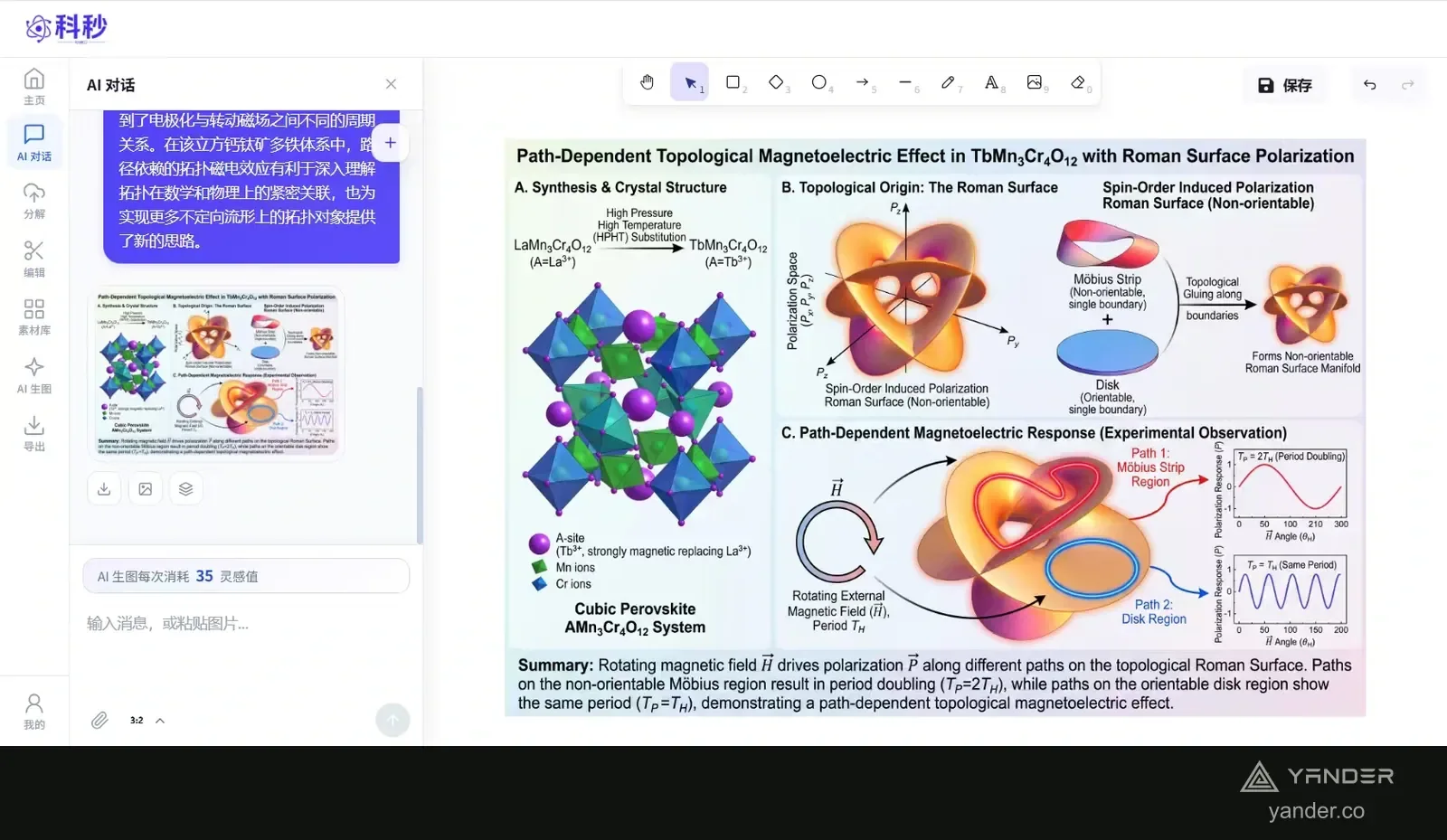
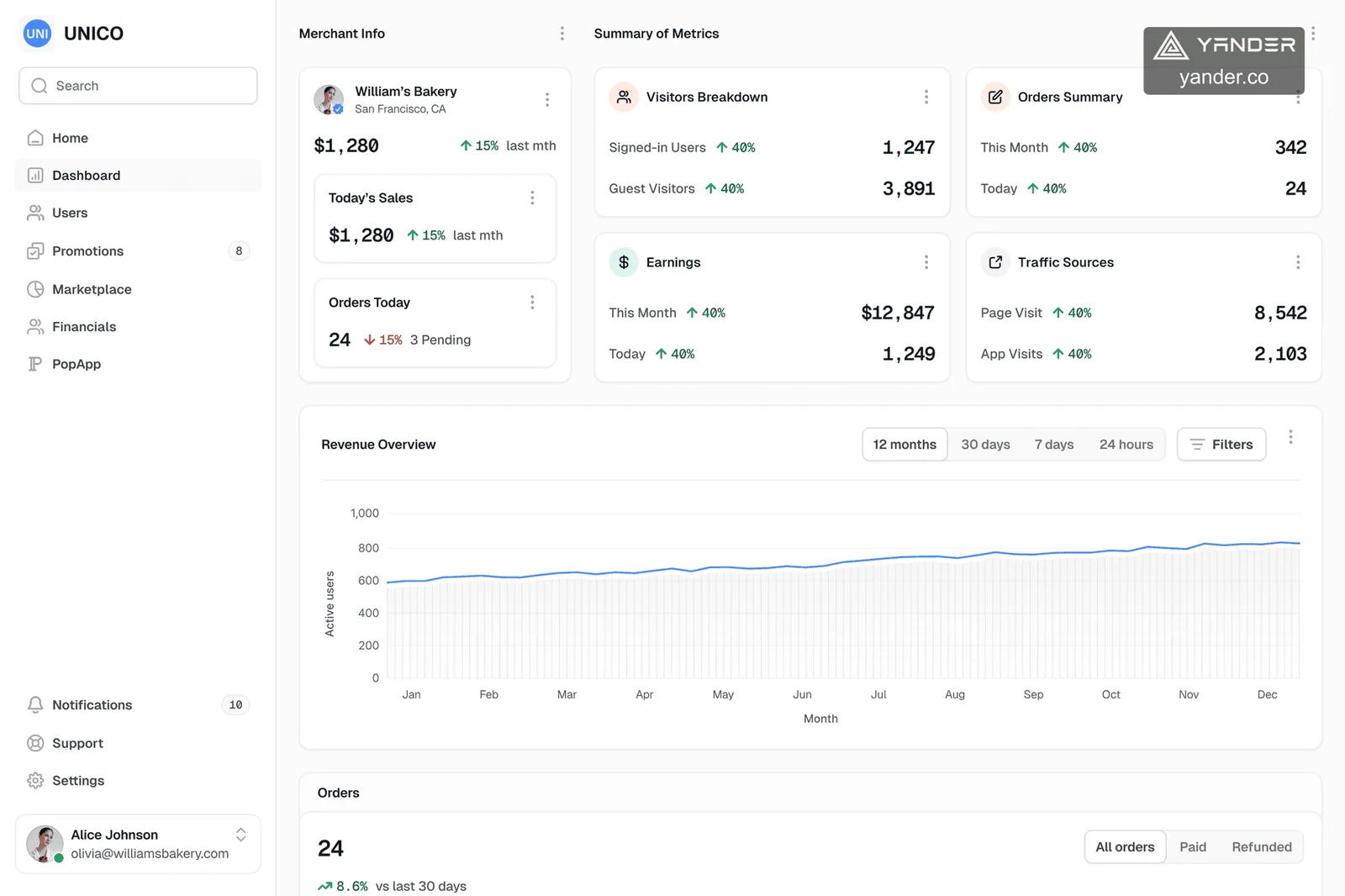
KIMEO connects generation with editing and export; Unico connects storefront building with orders and merchant operations. For your project, we define one complete first-release workflow, its acceptance criteria, and the accounts and documentation needed to operate it.
Best fit
What we deliver
Map the target users, core task, roles, data, integrations and failure states. Agree what must work in the first release and what belongs in later phases before estimating the build.
Design the complete path through input, processing, review, editing, saved work and output where needed. Prototype the decisions that carry the most uncertainty before committing to a wider interface.
Build the agreed UI, APIs and database behavior, with authentication, permissions, AI providers, payments, storage or notifications according to scope. Plan timeouts, retries and account states alongside successful flows.
Verify acceptance criteria and critical permission and integration paths. Agree deployment access, source-code handover, operating notes and post-launch responsibilities. Ongoing operations and third-party costs are scoped separately.
How we approach it
Typical capabilities
Relevant case studies
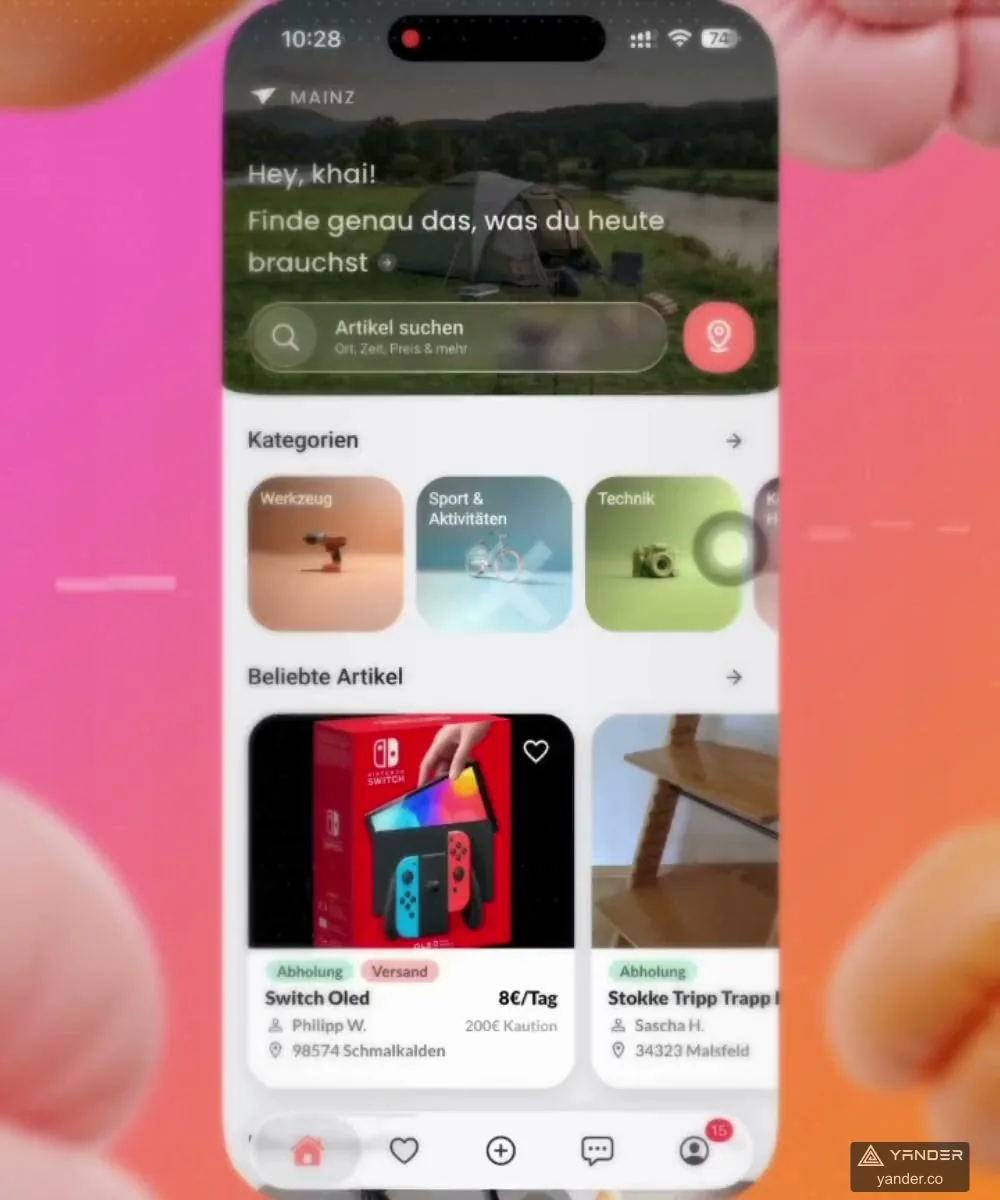
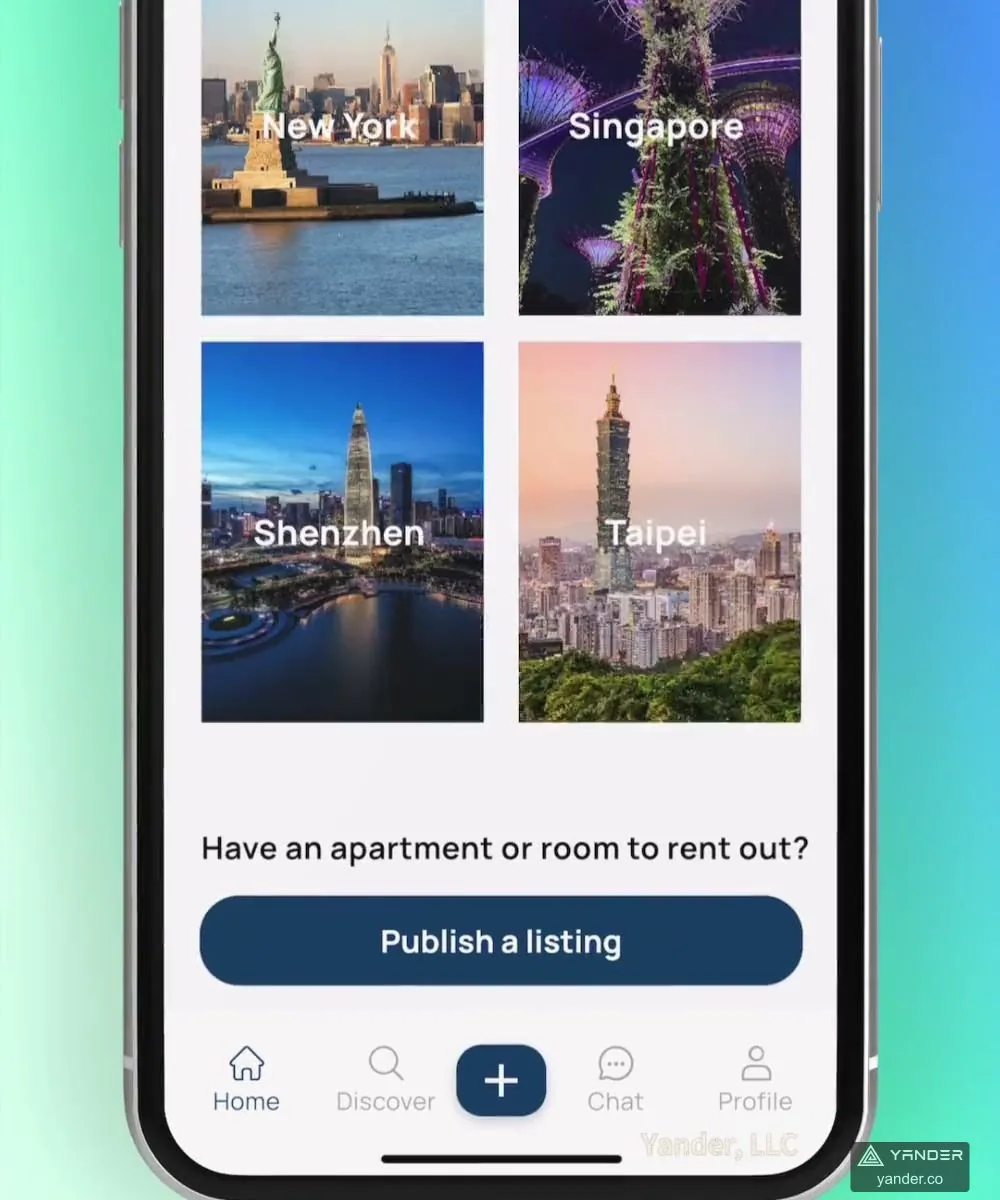
Published work showing adjacent product, design, and engineering decisions.
View all case studiesGuangzhou · English / Chinese · Worldwide
Connect the user experience with the systems needed to run it. Discuss generation, editing, saved work, payments and admin operations with the same Guangzhou product and engineering team, in English or Chinese.
Yes. We review the product model, code quality, deployment and constraints, then agree what to preserve, repair or rebuild. Data migration and continuity requirements are planned before changing a live system.
Yes when both are required. We scope customer journeys alongside permissions, support, moderation, reporting and other operational workflows needed to run the product.
Yes. We assess the provider and flow against your business model, target countries, refunds, taxes and compliance requirements. Payment accounts and ownership of funds are clarified before integration.
The schedule follows the first-release workflow, integrations, data readiness and approval process. An AI prototype, editable canvas and a payment-backed SaaS release have different dependencies. After reviewing the brief, we agree milestones and acceptance criteria; an estimate becomes a commitment only in the project agreement.
The agreement defines custom code ownership, data access and third-party licences. We deliver the agreed repository and documentation; cloud, database and service accounts should be controlled by your team, with access for development and handover.
Yes. Requirements, project discussions and handover documents can be provided in English. We agree meeting times, written updates and decision owners. Guangzhou meetings can be arranged by appointment, subject to availability.
We quote by agreed phases and deliverables. Cloud services, third-party fees, maintenance and new features are separated where applicable. Bug support, monitoring, backups, updates and response times are specified in the support scope.
Start with one user, one valuable task and the minimum operational flow that supports it. For AI features, agree representative inputs, acceptable output, human review and failure handling as well as screens. Acceptance criteria define what is delivered; new requirements are assessed for scope, schedule and cost before being added.
Migration can be included after reviewing the source data, access and any downtime constraints. The plan can cover field mapping, test imports, reconciliation, backups and a rollback approach suited to the system. Before launch, we agree the production accounts, operating instructions, handover items and who can approve the cutover.
Testing is scoped to the product's workflows and risks, including permissions, integrations, failure states and security checks where relevant. We agree who handles hosting, monitoring, backups, dependency updates and incidents after launch. Third-party security testing or ongoing operations require an agreed scope and are not automatically included.
Share the target user, one real task, anonymized sample inputs and expected outputs, existing product or prototype, required integrations, target markets, budget range and timing. Identify a decision owner and any data, deployment or licence restrictions. Arrange sensitive data and account access after boundaries have been agreed.
Cost depends on the workflow, editable output requirements, roles, integrations, payments, admin tools and production reliability needed. Model usage, storage, hosting and other provider fees recur separately. We can scope a validation phase before a larger build; model training, data preparation and ongoing operations are included only when explicitly agreed.
Have a project in mind?
Share the audience, workflow, constraints, and business outcome. We will reply with concrete next steps.